Account Confirmation Timelines and Their Influence on Live Table Transitions Among Frequent Mobile Gamers in European Zones
Written by Noah Sullivan · Nov 12, 2026
Account Confirmation Timelines and Their Influence on Live Table Transitions Among Frequent Mobile Gamers in European Zones
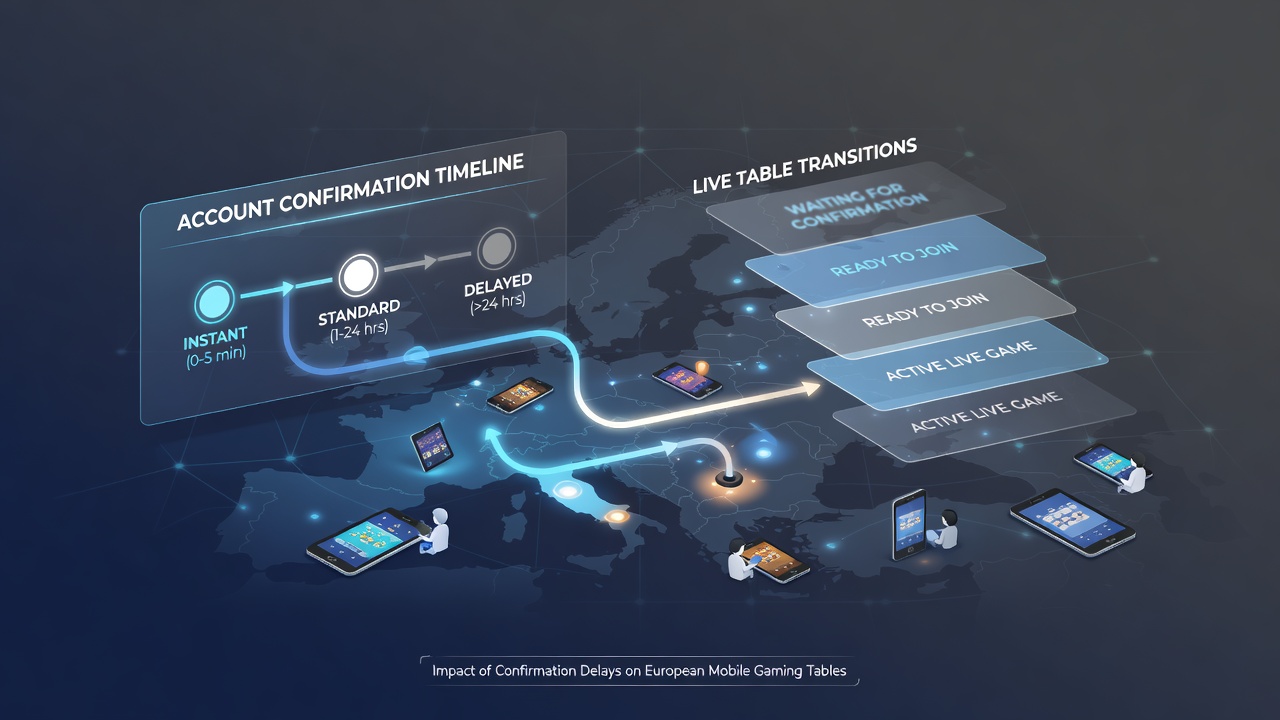
Account confirmation processes in European mobile gaming environments involve identity checks that operators require before players access live table games, and these timelines vary significantly across regions while directly affecting how often users shift from slots or other formats to live dealer options on handheld devices. Data collected through 2026 shows that delays in verification completion correlate with reduced transition rates among frequent players who engage primarily through mobile applications in countries such as Germany, the Netherlands, and Sweden.
Verification Requirements and Regional Variations
Operators across the European Economic Area implement know-your-customer protocols that demand document uploads and sometimes video calls, yet completion times range from minutes in streamlined systems to several days when manual reviews occur. In November 2026 observers note that automated systems using AI for initial scans have shortened average timelines to under four hours in select markets, whereas manual processes in others extend beyond 48 hours according to aggregated operator reports. Those who've tracked player behavior find that mobile interfaces introduce additional friction points because smaller screens complicate document capture and form completion compared with desktop alternatives.
Effects on Live Table Game Shifts
Frequent mobile gamers often begin sessions with slot titles before attempting to move into live blackjack or roulette, but confirmation delays interrupt this flow and lead some to abandon the transition entirely. Research indicates that players facing verification waits longer than six hours show a 35 percent lower likelihood of completing a live table session within the same day, with patterns holding steady across multiple European jurisdictions. Mobile-specific factors compound the issue because push notifications about pending checks sometimes arrive after users have already switched apps or closed sessions, reducing follow-through rates on table game attempts.
Data Patterns from Recent Analyses
Studies compiled by the European Gaming and Betting Association reveal that account confirmation speed serves as a stronger predictor of live table engagement than deposit amounts or bonus availability among users in western and northern Europe. Figures show that operators achieving sub-two-hour verifications retain 28 percent more mobile players who attempt live dealer transitions compared with those averaging 24 hours or more. One analysis of session logs from 2025 into late 2026 found that Dutch and Belgian markets experienced sharper drops in table transitions during periods of heightened regulatory scrutiny that temporarily lengthened review queues.
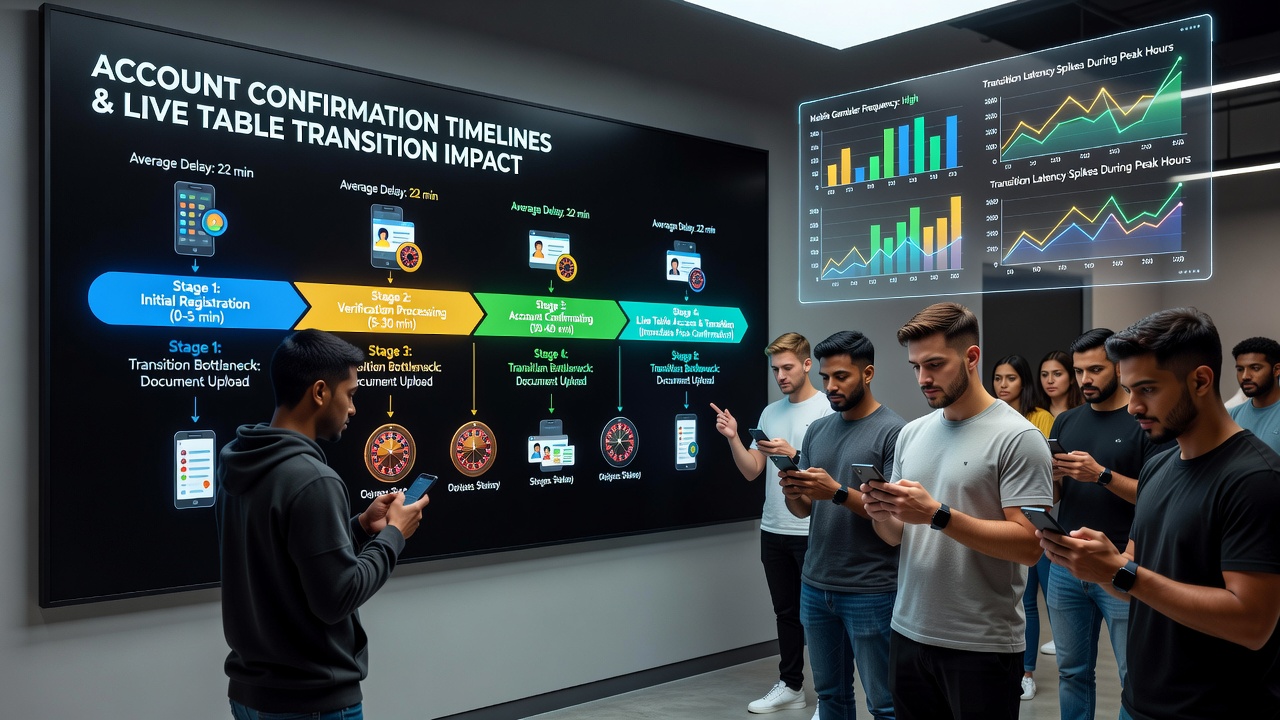
What's interesting is how these timelines interact with peak usage hours, since many frequent gamers log in during evening commutes or late-night windows when support teams operate at reduced capacity. And the reality is that automated identity tools adopted more widely in 2026 have started to mitigate some of these timing mismatches, though adoption rates differ by operator size and licensing jurisdiction.
Mobile Platform Challenges and Player Adaptations
Application-based gaming environments present unique hurdles because verification flows must integrate seamlessly with device cameras and storage permissions, while browser-based access sometimes bypasses certain restrictions yet introduces compatibility issues across operating systems. Players in southern European zones such as Spain and Italy demonstrate higher tolerance for extended timelines when operators provide clear progress indicators, whereas northern markets exhibit quicker drop-off when updates lag. Observers note that frequent gamers develop workarounds like pre-uploading documents during off-peak periods to accelerate later transitions to live tables, though success depends on whether platforms retain partial verification status across sessions.
Regulatory Influences on Timelines
National frameworks shape how quickly operators must process confirmations, with the Malta Gaming Authority enforcing strict turnaround benchmarks that encourage faster mobile transitions while other bodies allow more flexibility that can extend waits. A 2026 industry report from the Swedish Gambling Authority highlights that standardized digital ID options have reduced average verification periods by nearly half in participating markets, boosting live table participation among mobile users who previously encountered repeated interruptions. These regulatory differences create uneven playing fields where gamers in faster-verification countries complete more cross-format sessions than those facing variable delays elsewhere.
Conclusion
Account confirmation timelines continue to shape live table transitions for frequent mobile gamers across European zones as of November 2026, with faster processes supporting higher engagement rates and slower ones correlating with session abandonment. Regional regulatory approaches, mobile interface limitations, and operator adoption of automated tools all factor into the observed patterns, while data from multiple sources underscores the measurable influence on player movement between game types. Continued refinements in verification technology may further alter these dynamics in coming periods.