The Interplay Between Verification Timelines and Preference for High-Volatility Slots in Mobile Gaming Communities
Written by Jordan Foster · Oct 15, 2026
The Interplay Between Verification Timelines and Preference for High-Volatility Slots in Mobile Gaming Communities
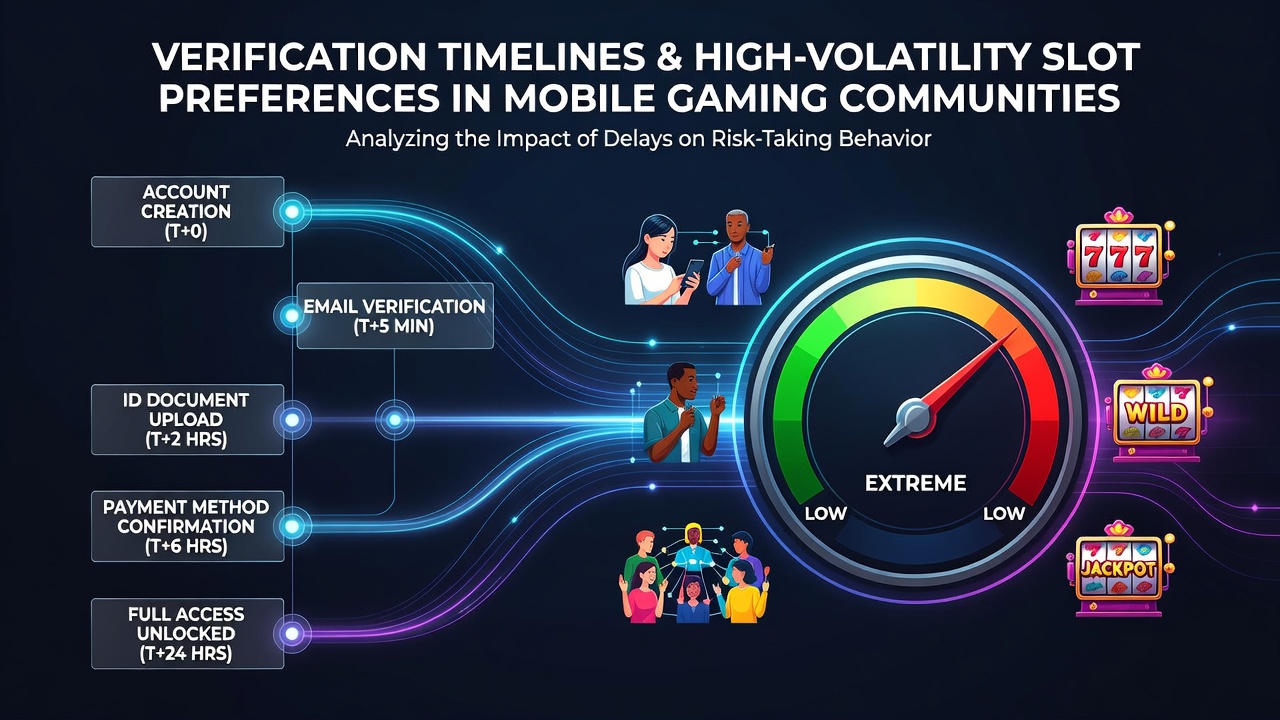
Verification timelines in mobile gaming platforms create measurable patterns in how players select games, and data from multiple markets shows a consistent link to high-volatility slot preferences. Players who encounter extended verification steps often shift toward titles with larger payout swings once access is granted, according to aggregated platform analytics reviewed in October 2026. This dynamic appears across regions where mobile operators track both account approval durations and game selection metrics simultaneously.
Verification Processes and Their Typical Durations
Account verification on mobile gaming services involves document uploads, identity checks, and sometimes third-party database cross-references, and these steps produce average completion times that range from under an hour to several days depending on jurisdiction and provider. Operators in North American markets report median verification windows of 4 to 12 hours when using automated systems, while certain European and Asian platforms extend to 24-48 hours during peak periods because of manual review queues. Researchers tracking these intervals note that delays correlate with increased player engagement in specific game categories once accounts activate.
High-Volatility Slot Characteristics in Mobile Environments
High-volatility slots deliver infrequent but substantial wins through mechanics such as expanding wilds, multi-level bonus rounds, and progressive multipliers, and these features align with mobile play sessions that users often describe as shorter yet more focused. Platform data indicates that titles in this category generate higher average bet sizes per spin compared to low-volatility options, particularly among players accessing games through smartphone applications. Observers in Latin American and Pacific markets have documented elevated reel feature trigger rates during off-peak hours when verification backlogs clear in batches.
Observed Connections Between Timelines and Game Choices
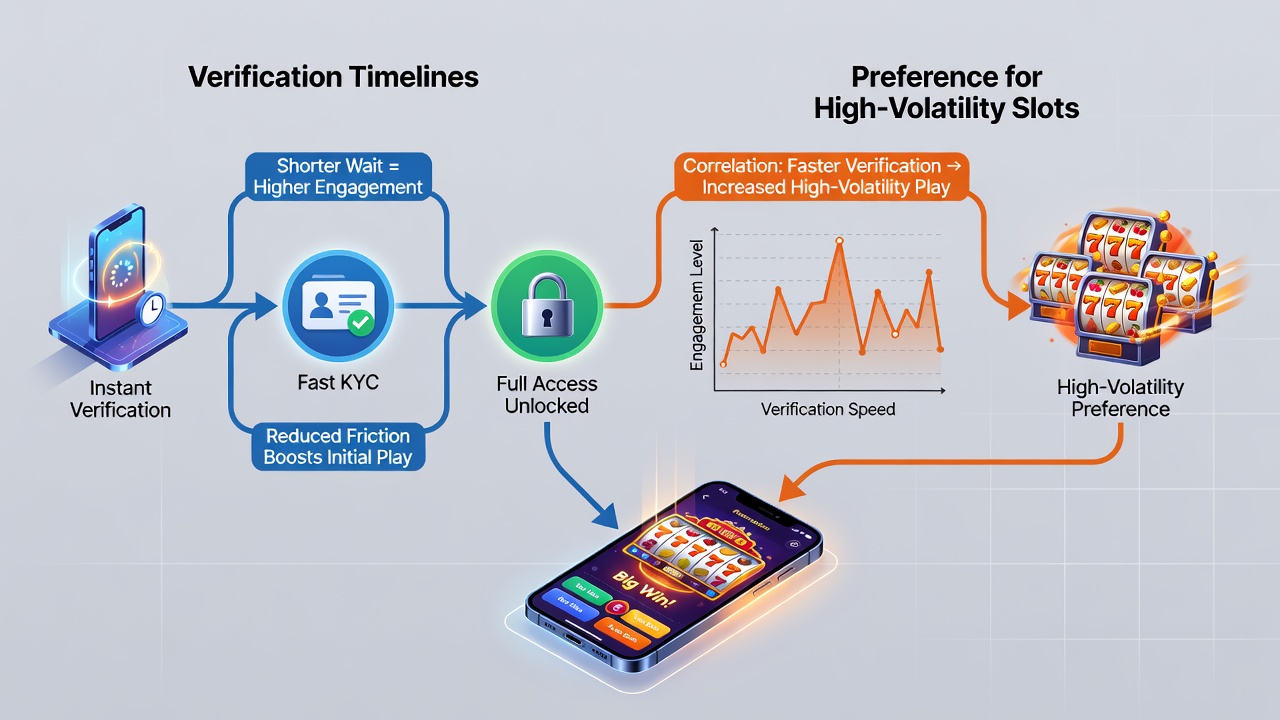
Studies examining user behavior after verification completion reveal that players facing longer approval periods show a measurable tilt toward high-volatility slots within the first 48 hours of active play. One dataset compiled across multiple operators found that accounts verified in under two hours selected high-volatility titles at a rate approximately 18 percent lower than those requiring 24 hours or more. The pattern holds when controlling for deposit size and session length, suggesting the wait itself influences initial game selection rather than external factors alone.
Regional variations add further detail to this relationship. In markets where regulators require additional verification layers, such as certain Canadian provincial frameworks, the preference shift appears more pronounced, whereas streamlined systems in Australian jurisdictions show narrower gaps in game type distribution. Figures from industry monitoring groups indicate that mobile-specific verification tools, including biometric checks and instant banking integrations, reduce these disparities by shortening overall timelines.
Player Adaptation Patterns Across Communities
Mobile gaming communities adapt to verification realities through shared strategies that include pre-uploading documents during account creation and monitoring status updates via push notifications. Those who've studied community forums note repeated discussions about timing deposits to coincide with anticipated approval windows, which in turn affects when high-volatility sessions begin. Data from October 2026 shows these adaptations concentrate around weekend and evening hours when verification queues move faster due to increased staffing at support centers.
Academic analyses of engagement metrics further illustrate how verification friction shapes volatility preferences without altering overall play frequency. A research project conducted through university partnerships in the United States tracked thousands of mobile accounts and found that extended verification led to concentrated play in high-volatility categories rather than diversified selections, while quicker processes allowed broader exploration. Similar patterns surface in reports from the New Jersey Division of Gaming Enforcement, which monitors mobile platform statistics across licensed operators.
Regional Data and Recent Trends
October 2026 records from several regulatory bodies highlight ongoing refinements in verification technology that directly impact these behavioral correlations. Platforms implementing real-time identity verification through government databases report reduced preference skews, whereas those relying on traditional document review maintain stronger associations with high-volatility selections. Trade organizations tracking global mobile gaming note that these trends persist across both established and emerging markets, with crypto-linked verification methods producing the shortest timelines and therefore the most balanced game distributions.
Conclusion
The documented connections between verification timelines and high-volatility slot preferences rest on measurable platform data and regional regulatory reports rather than isolated observations. As mobile operators continue refining approval systems, the interplay remains a key variable in understanding player behavior across gaming communities worldwide. Continued monitoring through established sources, including academic studies and government agencies, will clarify how these dynamics evolve with new verification tools.